GLP-1 medications have revolutionized the treatment of type 2 diabetes and obesity. If you're wondering about glp-1, how fast does glp 1 work, or whether these medications are right for you, this comprehensive guide covers everything you need to know about GLP-1 treatments, from effectiveness to side effects and beyond. GLP-1 Medications

When people ask "what is glp-1?", they're inquiring about one of the most significant medical breakthroughs in recent years. GLP-1 stands for glucagon-like peptide-1, a natural hormone your body produces in your intestines when you eat. This hormone plays a crucial role in regulating blood sugar levels and controlling appetite.
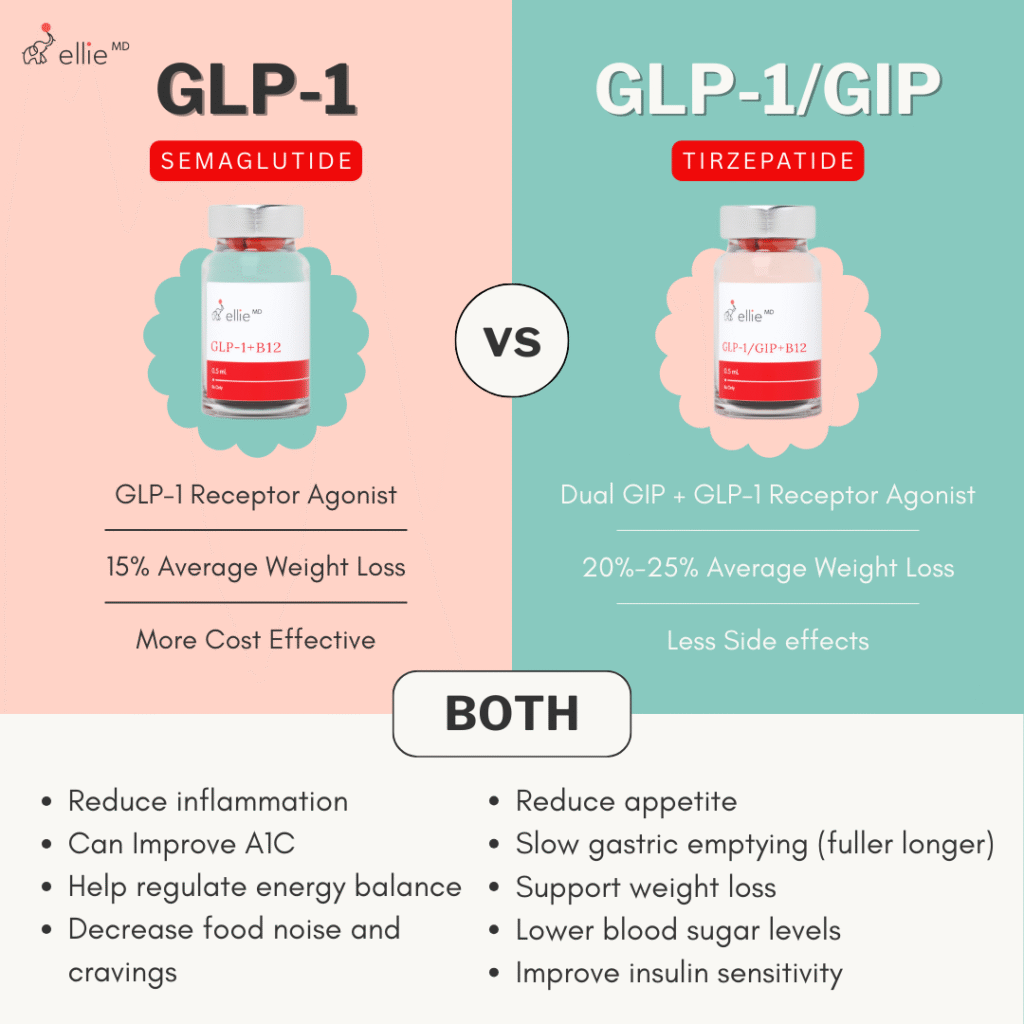
The difference between semaglutide and glp-1 is important to understand. Semaglutide is actually a synthetic version of GLP-1 that lasts much longer in your body than the natural hormone. When people ask about the difference between glp-1 and ozempic or wonder about what is the difference between glp-1 and semaglutide, they're often confused about the terminology. Ozempic is simply a brand name for semaglutide, which is a type of GLP-1 medication.
Many people wonder if phentermine is a glp-1 medication. The answer is no - phentermine works completely differently. When comparing phentermine vs glp-1, phentermine is an appetite suppressant that affects your nervous system, while GLP-1 medications work through hormonal pathways. Understanding these differences helps you make informed decisions about weight loss treatments.
One of the most common questions is "how long does it take for glp 1 to work" or "how long does it take for glp-1 to start working". The timeline varies depending on what you're measuring. For appetite suppression, many people notice effects within the first few days to weeks. However, for significant weight loss and blood sugar control, you'll need more patience.
When asking how fast does glp 1 work, most people start seeing measurable weight loss within 2-4 weeks of starting treatment. The medication builds up in your system gradually, and your dose is typically increased slowly over several months to minimize side effects and maximize effectiveness. Weight Loss Timeline Week 1 Appetite reduced Month 1 2-5 lbs lost Month 3 5-10% weight loss Month 6+ 15-20% weight loss
When people ask "how fast do you lose weight on glp 1", the answer depends on several factors including your starting weight, dose, and lifestyle habits. Clinical studies show that glp-1 average weight loss per month typically ranges from 2-4 pounds during the initial months, with some people losing more as they reach higher doses.
Most people lose between 15-22% of their body weight over the course of 12-18 months. This means if you weigh 200 pounds when you start, you might lose 30-44 pounds. However, results vary significantly from person to person. Some individuals are "super responders" who lose more, while others may see more modest results.
The rate of weight loss typically follows this pattern: slower in the first month as your body adjusts, faster in months 2-6 as your dose increases, then gradually slowing as you approach your goal weight. Understanding this timeline helps set realistic expectations.
One important consideration is the bmi for glp 1 eligibility. Most insurance companies and medical guidelines require specific BMI thresholds before approving these medications. Generally, you need:
These BMI requirements help ensure that GLP-1 medications are used for people who will benefit most from them. Your doctor will calculate your BMI during your initial consultation and determine if you meet the criteria.
Glp 1 fatigue and glp-1 fatigue are among the most commonly reported side effects. Many people experience tiredness, especially when first starting the medication or when increasing doses. This fatigue usually improves as your body adjusts over several weeks.
Similarly, glp 1 headache and glp-1 headache symptoms affect some users. These headaches are typically mild to moderate and often resolve within a few weeks. Staying well-hydrated and eating regular meals can help minimize both fatigue and headaches.
The question "does glp 1 make you tired" is frequently asked, and the answer is yes, for some people. However, this tiredness is usually temporary and tends to improve significantly after the first month or two of treatment.
Constipation on glp 1 is a common concern because the medication slows down your digestive system. This is actually part of how it works - by keeping food in your stomach longer, you feel fuller for extended periods. However, this can lead to uncomfortable constipation for some people.
To manage constipation while taking GLP-1:
The best place to inject glp-1 includes three main areas: your abdomen (at least 2 inches away from your belly button), your thighs, or the back of your upper arms. Most people find the abdomen to be the easiest and least painful injection site.
When considering the glp 1 thigh injection site, choose the front or outer part of your thigh, avoiding the inner thigh where there are more blood vessels and nerves. The thigh is an excellent option if you prefer not to inject in your stomach or if you need to rotate sites.
It's crucial to rotate your injection sites with each dose. Using the same spot repeatedly can cause lumps, skin changes, and reduced medication absorption. Many people divide their abdomen into quadrants and rotate through them, or alternate between abdomen and thighs. Injection Site Guide Abdomen Thigh Thigh ✓ Rotate sites with each injection ✓ Avoid same spot for 4 weeks
Many people ask "how much protein should i eat on glp 1" and "how much protein to eat on glp 1". Protein is crucial when taking GLP-1 medications because it helps preserve muscle mass during weight loss. Most experts recommend eating at least 0.7-1 gram of protein per pound of your ideal body weight.
For example, if your goal weight is 150 pounds, aim for 105-150 grams of protein daily. This might seem like a lot, especially when your appetite is reduced, but it's essential for maintaining muscle and staying healthy during weight loss.
Good protein sources include:
When researching supplements to take with glp 1, you'll find several that can support your health during treatment. Because you're eating less food overall, you might not get all the nutrients you need from diet alone.
Regarding glp 1 and creatine, this combination can be beneficial. Creatine helps maintain muscle mass and strength, which is important when you're losing weight. Many doctors recommend creatine supplementation for people on GLP-1 medications who are doing strength training.
Consider these supplements:
Glp-1 and hypothyroidism can coexist, and many people with underactive thyroid take GLP-1 medications safely. However, it's important to have your thyroid levels monitored regularly, as weight loss can sometimes affect thyroid medication requirements.
For those wondering about glp 1 for hashimoto's disease, which is an autoimmune condition affecting the thyroid, GLP-1 medications can be used, but close monitoring is essential. Weight loss often improves some symptoms of Hashimoto's, but thyroid medication doses may need adjustment.
Regarding glp-1 and ulcerative colitis, people with inflammatory bowel disease should discuss GLP-1 use carefully with their gastroenterologist. The medication's effects on digestion may interact with IBD symptoms, though some people with UC use GLP-1 successfully.
For glp 1 and lupus patients, weight management is often important as lupus medications can cause weight gain. GLP-1 medications may be helpful, but should be used under close medical supervision given lupus's complex nature.
Glp 1 lipedema is an interesting area. While GLP-1 medications primarily target fat that responds to diet and exercise, some women with lipedema report modest improvements. However, lipedema fat is generally resistant to conventional weight loss methods.
The relationship between glp 1 adhd is fascinating. Some people with ADHD report improved focus and reduced impulsivity when taking GLP-1 medications. While these drugs aren't approved for ADHD treatment, the reduction in "food noise" and obsessive food thoughts may help people with ADHD who struggle with impulsive eating.
Additionally, some research suggests GLP-1 medications might affect dopamine pathways in the brain, which could potentially benefit ADHD symptoms. However, more research is needed in this area, and GLP-1 should not be considered an ADHD treatment.
Glp 1 meal delivery services have emerged to help people on these medications eat appropriately. These services provide portion-controlled, high-protein meals designed specifically for GLP-1 users. They can be helpful if you struggle with meal planning or preparing food when your appetite is low.
The mind body glp 1 system and glp-1 companion programs offer holistic approaches to weight loss that go beyond just taking medication. These programs typically include coaching, meal planning, exercise guidance, and mental health support to help you succeed long-term.
You might have heard about glp 1 tea products marketed as natural alternatives to prescription medications. While certain teas and herbs may have mild effects on appetite or metabolism, they cannot replicate the powerful effects of prescription GLP-1 medications. Be skeptical of products claiming to offer GLP-1 benefits without a prescription.
Some people explore supplements like glp 1 and nad (nicotinamide adenine dinucleotide) for complementary benefits. NAD+ is involved in cellular energy and metabolism, and some wellness practitioners recommend it alongside GLP-1 for enhanced metabolic benefits, though scientific evidence is still limited.
When traveling with glp 1 or learning how to travel with glp 1, proper planning ensures you can continue your treatment without interruption. Here are essential tips:
TSA allows you to bring medications and syringes through security. Inform the security officer that you have medical supplies, and they'll screen them appropriately.
A common question is "does ambetter cover glp 1" and similar insurance inquiries. Coverage varies significantly by insurance plan and indication (diabetes vs. weight loss). Ambetter plans may cover GLP-1 medications for diabetes but often have restrictions for weight loss purposes.
To maximize your chances of coverage:
When people search for "glp-1 vs wegovy", there's often confusion about terminology. Wegovy IS a GLP-1 medication - specifically, it's semaglutide formulated for weight loss. The comparison people usually want is between different GLP-1 medications:
Some people search for "glp-1 peptide buy" looking for cheaper alternatives to prescription medications. While research peptides are available online, using non-FDA-approved versions carries serious risks:
Compounded semaglutide from licensed pharmacies offers a middle ground - cheaper than brand names but still prepared by regulated pharmacies under medical supervision. However, these also have limitations compared to FDA-approved medications.
Many people ask "glp-1 how long to take" these medications. Current evidence suggests that GLP-1 medications work best as long-term treatments. Most people regain significant weight if they stop taking the medication, similar to how blood pressure returns when you stop blood pressure medication.
Think of obesity as a chronic condition requiring ongoing management. Some people can maintain their weight loss after stopping by implementing strong lifestyle habits, but many need to continue the medication indefinitely. Your doctor will help you decide what's best for your situation. Healthy Lifestyle on GLP-1 Exercise 2-3x per week strength training Protein 0.7-1g per lb ideal weight Hydration 8-10 glasses water daily Sleep 7-9 hours quality rest Monitoring Track progress & side effects
To get the best results from GLP-1 medications, combine the medication with healthy lifestyle changes. While the medication does much of the heavy lifting by reducing appetite and improving blood sugar control, your choices still matter.
Focus on eating nutrient-dense foods when you do eat. Since your appetite is reduced, make every bite count by choosing foods high in protein, vitamins, and minerals. Avoid wasting your limited appetite on empty calories from sugary or highly processed foods.
Exercise is crucial not just for weight loss but for preserving muscle mass. Aim for at least 150 minutes of moderate cardio per week plus 2-3 strength training sessions. Even if you're not used to exercising, start slowly and build up gradually.
Stay hydrated by drinking water throughout the day. Dehydration can worsen side effects like fatigue and headaches. Many people find it helpful to carry a water bottle and set reminders to drink.
Once you reach your goal weight, you'll transition to a maintenance phase. This typically involves continuing the medication at your effective dose while focusing on building sustainable healthy habits. The medication makes it easier to maintain your weight loss by continuing to regulate your appetite and blood sugar.
Regular follow-ups with your doctor are essential. They'll monitor your progress, adjust your dose if needed, check for side effects, and order periodic blood work to ensure your organs are functioning well.
Some people can eventually reduce their dose or extend the time between injections while maintaining their weight loss. However, this should only be done under medical supervision with careful monitoring of your weight and health markers.
Success with GLP-1 medications requires a partnership with your healthcare team. Be honest about your goals, concerns, and any side effects you experience. Don't hesitate to ask questions or request clarification about anything you don't understand.
Consider working with multiple specialists if needed:
Keep a journal tracking your weight, side effects, food intake, and how you're feeling. This information helps your doctor make informed decisions about your treatment.
GLP-1 medications represent a powerful tool for managing weight and blood sugar, but they're not magic pills. They work best when combined with healthy lifestyle changes and ongoing medical supervision. If you meet the BMI criteria, have struggled with weight loss through diet and exercise alone, and are committed to long-term treatment, GLP-1 medications might be an excellent option.
Talk to your doctor about whether GLP-1 is appropriate for your situation. They'll consider your health history, current medications, goals, and potential risks and benefits. With the right approach and support, GLP-1 medications can help you achieve significant, sustainable improvements in your health and quality of life.
Remember that everyone's journey is unique. What works for one person might not work exactly the same way for you. Be patient with yourself, stay consistent with your treatment, and celebrate your progress along the way. The key to success is finding a sustainable approach that you can maintain long-term, and for many people, that includes GLP-1 medications as part of their comprehensive health strategy.
This article is for informational purposes only and should not replace professional medical advice. Always consult with your healthcare provider before starting any new medication or treatment program. Individual results may vary, and GLP-1 medications may not be appropriate for everyone.